Osteoarthritis of the knee is a wear-and-tear condition in which cartilage gradually breaks down, leading to pain, stiffness, and reduced movement. Understanding the four stages helps patients in Lucknow plan treatment at the right time.
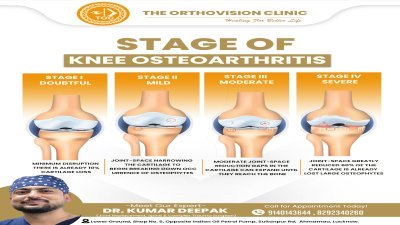
Stage I — Doubtful Osteoarthritis
Stage I shows minimal or doubtful changes on X-ray. Cartilage is largely intact and joint space may appear normal. Symptoms are usually mild — occasional pain after activity or slight stiffness in the morning.
- Minor cartilage wear, often not visible on standard X-rays
- Pain typically after prolonged walking or exercise
- Treatment focuses on lifestyle modification, physiotherapy, and weight control
Stage II — Mild Osteoarthritis
In Stage II, early cartilage thinning becomes visible. Joint space may appear slightly narrowed. Pain occurs more frequently, especially after climbing stairs or standing for long periods.
- Visible early cartilage loss on imaging
- Morning stiffness lasting under 30 minutes
- Medicines, structured exercise, and joint supplements may help
Stage III — Moderate Osteoarthritis
Stage III involves clear cartilage loss with noticeable joint space narrowing. Bone spurs (osteophytes) may form around the joint. Daily activities such as walking, squatting, and stair climbing become increasingly painful.
- Significant cartilage erosion with moderate joint space loss
- Swelling and stiffness more frequent
- Intra-articular injections and advanced physiotherapy are often used
- Surgical discussion may begin if function declines despite treatment
Stage IV — Severe Osteoarthritis
Stage IV represents end-stage disease with extensive cartilage loss, marked joint space narrowing or bone-on-bone contact, and often significant deformity. Pain may be constant, including at rest and at night.
- Near-complete or complete cartilage loss in affected compartments
- Severe pain, stiffness, and reduced range of motion
- Visible deformity such as bow legs or knock knees
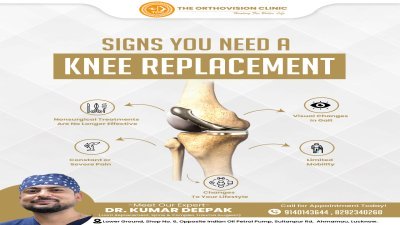
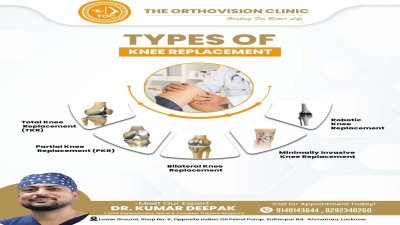
- Knee replacement surgery is often the most effective long-term solution
Why Staging Matters for Treatment
Early stages respond well to conservative care. Delaying specialist input until Stage IV can mean more deformity, weaker muscles, and a harder recovery even after surgery. An orthopaedic evaluation with weight-bearing X-rays determines your stage and best options.
Dr. Kumar Deepak at The OrthoVision Clinic, Lucknow, provides stage-wise counselling and treatment planning for knee osteoarthritis.
Frequently Asked Questions
Can osteoarthritis be reversed?
Cartilage damage cannot be fully reversed once significant loss has occurred. Early intervention can slow progression and delay the need for surgery.
How is the stage of knee arthritis diagnosed?
Diagnosis combines clinical examination, symptom history, and weight-bearing knee X-rays. MRI is used selectively when additional detail is needed.
At what stage is knee replacement recommended?
Surgery is usually considered in advanced Stage III or Stage IV when pain and functional limitation persist despite adequate non-surgical treatment.