Share Link has been copied to the clipboard. Here is the link maxhealthcare.
in/blogs/surgery-vs-physiotherapy Close When pain affects your back, knee, shoulder, hip or another part of the body, you may wonder: "Do I really need surgery, or can physiotherapy help me recover? "The answer depends on more than just how much pain you are experiencing.
Key symptoms and patterns
Orthopaedic doctors consider the underlying cause, extent of damage, symptoms, lifestyle, age, overall health and how you respond to non-surgical treatment before recommending the most appropriate approach. Is Physiotherapy Always Tried First?
For many orthopaedic and musculoskeletal conditions, doctors initially consider non-surgical treatment. Physiotherapy can help improve muscle strength, flexibility, joint movement, balance and overall function.
Depending on the condition, physiotherapy may be useful for:Muscle and tendon injuriesCertain ligament injuriesBack and neck painJoint stiffnessSome sports injuriesRecovery after prolonged inactivity or injuryA physiotherapy programme is usually tailored to the individual's condition rather than being a one-size-fits-all exercise routine.
However, physiotherapy is not appropriate as the only treatment for every problem
However, physiotherapy is not appropriate as the only treatment for every problem. When Does Surgery Become an Option? Surgery may be considered when there is significant structural damage or when symptoms continue despite appropriate non-surgical treatment.
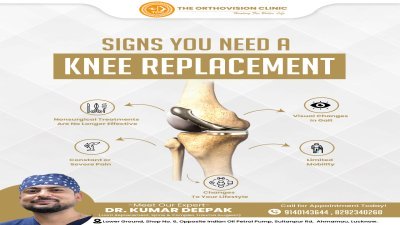
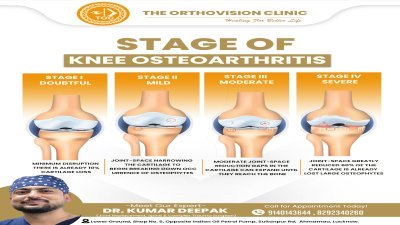
Doctors may recommend surgery when a patient has:Severe or persistent pain affecting daily activitiesSignificant joint or structural damageRecurrent joint instabilityRestricted movement or mechanical lockingA major injury that is unlikely to heal adequately without surgeryPersistent symptoms despite appropriate physiotherapy and other treatmentsFor example, certain severe ligament injuries, advanced joint degeneration or some fractures may require surgical intervention to restore stability or function.
What Do Doctors Look at Before Recommending Surgery? The decision is based on the whole clinical picture, not simply an MRI or X-ray report. 1. What is causing the problem? The first step is identifying the actual cause of pain.
Diagnosis and evaluation
Pain may result from an injury, arthritis, inflammation, nerve compression, muscle weakness or another condition. 2. How severe is the damage? Imaging tests such as X-rays, MRI or CT scans may help determine the extent of structural damage when clinically indicated. 3. How are your symptoms affecting your life?
Doctors consider whether you can walk, climb stairs, work, exercise, sleep or perform routine activities comfortably. 4. Have non-surgical treatments been tried properly?
If physiotherapy, medication, activity modification or other appropriate treatments have been tried without adequate improvement, surgery may become a consideration. 5. What are your goals?
Treatment and self-care
Treatment may differ depending on whether you want to return to competitive sports, perform physically demanding work or simply carry out everyday activities without pain. 6. What is your overall health?
Conditions such as diabetes, obesity, smoking and other medical problems can influence both treatment choices and surgical recovery. Surgery and Physiotherapy Can Work TogetherIt is important to remember that the choice is not always "surgery OR physiotherapy. "Physiotherapy can sometimes help a patient avoid surgery.
In other cases, it may be recommended before surgery to improve muscle strength and movement. After surgery, physiotherapy is often an important part of rehabilitation and helps patients gradually regain strength, mobility and function.
Consult Dr. Kumar Deepak in Lucknow
Persistent joint, bone, or muscle symptoms deserve a structured evaluation rather than repeated self-treatment alone.
Dr. Kumar Deepak — M.S. Ortho (Gold Medalist), F.I.J.R | ASAMI | AO Trauma — consults at The OrthoVision Clinic and Remedy Medicity, Lucknow. Call to book an appointment and discuss a plan suited to your activity level.
Frequently Asked Questions
When should I see an orthopaedic specialist instead of waiting?
Seek review if pain lasts more than a few weeks, disturbs sleep, causes limping, or limits work and daily tasks despite rest and simple measures.
Does this information replace an in-person examination?
No. Online guides help you understand options, but diagnosis depends on clinical examination and investigations tailored to your case.
Where can I get orthopaedic care in Lucknow?
Dr. Kumar Deepak sees patients at The OrthoVision Clinic (Ahmamau, Sultanpur Road) and Remedy Medicity, Lucknow.