Knee replacement is often associated with older adults, but that perception is gradually changing.
Today, an increasing number of younger patients are being evaluated for surgical options due to early joint damage, lifestyle demands, and rising expectations for mobility. With advancements in surgical techniques, robotic knee replacement has emerged as a more precise and personalised option.
However, the key question remains: is it the right choice for younger patients
However, the key question remains: is it the right choice for younger patients? The answer is not always straightforward. It depends on several factors that go beyond age alone. Why Younger Patients Are Considering Knee ReplacementIn recent years, orthopaedic consultations have seen a noticeable shift.
Patients in their 40s and 50s, and sometimes even in 30s, are seeking solutions for persistent knee problems that affect daily life.
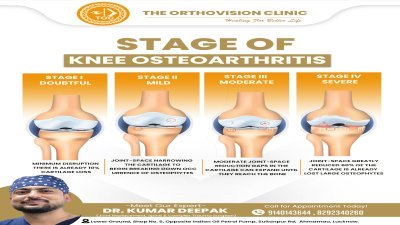
Common reasons include:Early-onset osteoarthritisPrevious sports injuries or ligament damageLong-term wear and tear due to physically demanding lifestylesPost-traumatic joint degenerationUnlike older patients, younger individuals often have higher functional expectations.
They want to remain active, independent, and pain-free for decades, not just years
They want to remain active, independent, and pain-free for decades, not just years. This changes how treatment decisions are approached.
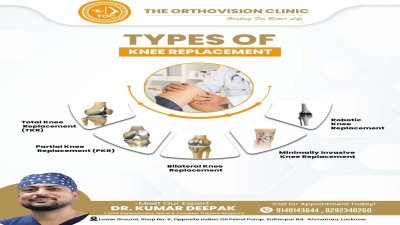
What Makes Robotic Knee Replacement Different for Younger PatientsRobotic knee replacement is not a different surgery; it is a different way of performing the same procedure with enhanced precision.
For younger patients, this distinction matters more because:Joint alignment needs to be highly accurate for long-term durabilityImplant positioning affects how naturally the knee functionsEven small errors may impact performance over timeRobotic assistance allows surgeons to plan and execute the procedure based on the patient’s specific anatomy, rather than relying only on standard alignment techniques.
Diagnosis and evaluation
This level of personalisation becomes particularly relevant when the goal is not just pain relief, but long-term joint performance. The Key Question: Should Younger Patients Undergo Knee Replacement Early? One of the biggest dilemmas is timing. Many younger patients are advised to delay surgery for as long as possible.
While this approach may seem reasonable, it is not always beneficial.
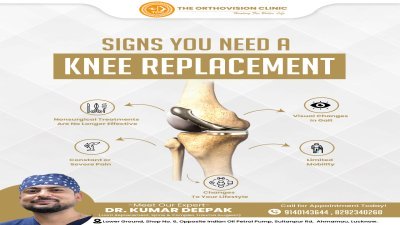
When delaying may not help:Persistent pain affects mobility and quality of lifeDaily activities such as walking or climbing stairs become difficultConservative treatments no longer provide reliefJoint damage continues to progressDelaying surgery in such cases can lead to:Reduced muscle strengthJoint deformityMore complex surgery laterFor younger patients, the decision is less about age and more about how significantly the condition is affecting life today and in the long term.
Treatment and self-care
Read More: Knee Replacement for Active Adults: Mobility, Limits & RecoveryHow Robotic Precision Supports Long-Term OutcomesA major concern in younger patients is implant longevity. Since they are likely to live longer with the implant, durability becomes critical.
Robotic knee replacement may support better long-term outcomes through:Accurate Implant AlignmentPrecise positioning reduces uneven stress on the implant, which can otherwise lead to early wear.
Balanced Joint MechanicsProper soft tissue balance helps the knee move more naturally, reducing strain during daily activities. Reduced Risk of Early RevisionWhile no surgery eliminates risk completely, better alignment and planning may lower the chances of needing repeat surgery.
Consult Dr. Kumar Deepak in Lucknow
Persistent joint, bone, or muscle symptoms deserve a structured evaluation rather than repeated self-treatment alone.
Dr. Kumar Deepak — M.S. Ortho (Gold Medalist), F.I.J.R | ASAMI | AO Trauma — consults at The OrthoVision Clinic and Remedy Medicity, Lucknow. Call to book an appointment and discuss a plan suited to your activity level.
Frequently Asked Questions
When should I see an orthopaedic specialist instead of waiting?
Seek review if pain lasts more than a few weeks, disturbs sleep, causes limping, or limits work and daily tasks despite rest and simple measures.
Does this information replace an in-person examination?
No. Online guides help you understand options, but diagnosis depends on clinical examination and investigations tailored to your case.
Where can I get orthopaedic care in Lucknow?
Dr. Kumar Deepak sees patients at The OrthoVision Clinic (Ahmamau, Sultanpur Road) and Remedy Medicity, Lucknow.