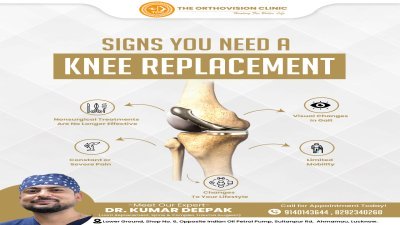
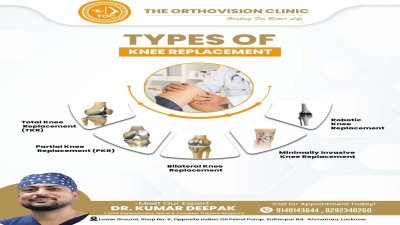
Robotic surgery is regularly used for a wide range of procedures, including biopsy, hernia repair, heart surgery, and brain surgery.
The latest is a robotic joint replacement system (knee and hip). However, some patients still find the concept of robot operations in joint replacement unsettling or intimidating because of a few widespread myths. Dr. Ramneek Mahajan clears up the myths surrounding robotic knee and hip replacements.
Key symptoms and patterns
Myth: Robots perform the surgery Fact: The robot never operates on its own during surgery. Its role is to support the surgeon in carrying out the procedure accurately. It allows surgeons to reproduce precise bone cuts and implant alignment for patients.
Without the surgeon's guidance, the robot cannot move or make its own decisions. Myth: The doctor is not near the patient during the surgery Fact: Unlike other forms of robotic surgery where a doctor controls the robot from a console placed away from the patient, the scenario is different in robotic joint replacement.
The robot is an extension of the surgeon and not a replacement of the surgeon in joint replacement. One area where people worry is robot malfunctions, as they are machines. Technology has developed this system using high standards over time. Besides, surgeons double-check the robots before they are used.
During the procedure, the surgeon is in total control
During the procedure, the surgeon is in total control. There are built-in safety features that offer further levels of protection. Myth: All robotic technologies are the same Fact: Each technology is different. It is important to know its clinical history.
This can be ensured by checking the clinical legacy, global installation, and surgeries performed with this technology.
Myth: Conventional surgery is better than robotic Fact: During a traditional knee replacement, the surgeon depends on traditional tools and expertise to assess the alignment using surgical instruments. The surgical planning is carried out right on the operating table.
Diagnosis and evaluation
However, with robots, the surgeon does this planning even before entering the OT with the help of a patient-specific 3D CT-based virtual plan.
This plan allows visualisation of the patient's knee and leg anatomy before surgery, thus helping further to reproduce an exact or anatomic knee on that specific patient without errors. Besides, the incision size is as large as needed to fit the implant.
Robotic surgery preserves all the natural structures of the joint (less tissue damage) with minimal pain and early recovery. It is not expensive. The hospitals add a minimal surcharge to cover the cost of expensive disposables and consumables used during surgery.
Consult Dr. Kumar Deepak in Lucknow
Persistent joint, bone, or muscle symptoms deserve a structured evaluation rather than repeated self-treatment alone.
Dr. Kumar Deepak — M.S. Ortho (Gold Medalist), F.I.J.R | ASAMI | AO Trauma — consults at The OrthoVision Clinic and Remedy Medicity, Lucknow. Call to book an appointment and discuss a plan suited to your activity level.
Frequently Asked Questions
When should I see an orthopaedic specialist instead of waiting?
Seek review if pain lasts more than a few weeks, disturbs sleep, causes limping, or limits work and daily tasks despite rest and simple measures.
Does this information replace an in-person examination?
No. Online guides help you understand options, but diagnosis depends on clinical examination and investigations tailored to your case.
Where can I get orthopaedic care in Lucknow?
Dr. Kumar Deepak sees patients at The OrthoVision Clinic (Ahmamau, Sultanpur Road) and Remedy Medicity, Lucknow.