Any infection in and around a replaced joint is called Periprosthetic Joint Infection (PJI).
Just like any other infection in the body, PJI occurs when body immunity is low. It is extremely uncommon to have a joint infection. The lifetime incidence of infection is less than 1 to 2%. Infections anywhere in the body can be prevented by maintaining good general health.
Key symptoms and patterns
Thus, one should always maintain good hygiene in the operating area, and a good control of diabetes also helps. People with dental or urological infections are more prone to PJI. If you are undergoing a dental or urological procedure, then kindly inform your treating doctor about the replaced joint in your body.
If you are planning a joint replacement, then you should at least wait for 3 to 4 weeks after the dental/urological procedure. If you suspect PJI, consult an experienced joint replacement expert at the earliest. What is Periprosthetic Joint Infection?
Unlike infections in any other body part, PJIs are usually local infections. They are almost always never life-threatening, and they are usually not accompanied by fever. Usually, patients come with the complaint that the joint, which was working well for years, has started to hurt.
There will also be stiffness of the joint
There will also be stiffness of the joint. However, the pain and stiffness of the replaced joint do not always mean it is infected. It would be worthwhile to seek an opinion from a joint replacement expert who would be able to rule out infection for you based on clinical, radiological, and lab parameters.
Types of Knee Infection Different types of knee infections involve: Septic Joint: This type of infection occurs when the septic enters the knee joint area where immune defence fluid is present. After-Surgery Infection: An infection can be developed during the surgical procedure.
These are troublesome and usually occur after knee reconstructive surgery. Bursal Infection: This particular infection causes swelling over the top of the knee, which causes swelling, redness, and pain in the kneecap.
Diagnosis and evaluation
Cellulitis: In this case, the infection enters several layers of skin, causing abnormal swelling and pain in the leg. Symptoms of Infection in Knee Joint Do not neglect even the smallest of pain or irritation in any part of your body; it can become excessive if not treated in time.
The knee is a sensitive area, and replacement surgery can lead to infections. Infection in knee joint symptoms include: Pain in different locations Redness Excessive Swelling of the knee Knee stiffness The infection can occur for different reasons, a prominent one being knee replacement surgery.
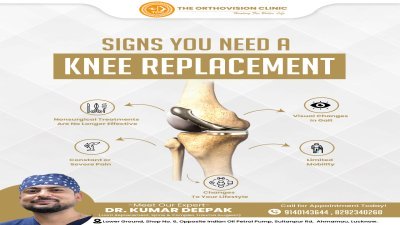
Depending on the severity of the infection, there are numerous ways to cure it, including surgical cleaning, removal of implants, antibiotics, and more. Treatment for Knee Infection Knee replacement surgery is the best method for treating severe knee problems.
It relieves pain and enables patients to resume various activities
It relieves pain and enables patients to resume various activities. However, it includes certain risks of knee replacement infection, which can be pretty serious. Early infections are curable with a surgical cleaning followed by antibiotic treatment.
When the infection exceeds six weeks from the time of surgery, it requires more aggressive treatment, including the removal of replacement implants. If diagnosed early, PJI can be treated without removing the existing implants. These patients undergo DIAR (debridement, antibiotics, and implant retention).
The key to the success of DIAR is that you reach your joint replacement specialist in time. The earlier that DIAR is done, the better the results and patients can expect normal joint function.
Consult Dr. Kumar Deepak in Lucknow
Persistent joint, bone, or muscle symptoms deserve a structured evaluation rather than repeated self-treatment alone.
Dr. Kumar Deepak — M.S. Ortho (Gold Medalist), F.I.J.R | ASAMI | AO Trauma — consults at The OrthoVision Clinic and Remedy Medicity, Lucknow. Call to book an appointment and discuss a plan suited to your activity level.
Frequently Asked Questions
When should I see an orthopaedic specialist instead of waiting?
Seek review if pain lasts more than a few weeks, disturbs sleep, causes limping, or limits work and daily tasks despite rest and simple measures.
Does this information replace an in-person examination?
No. Online guides help you understand options, but diagnosis depends on clinical examination and investigations tailored to your case.
Where can I get orthopaedic care in Lucknow?
Dr. Kumar Deepak sees patients at The OrthoVision Clinic (Ahmamau, Sultanpur Road) and Remedy Medicity, Lucknow.