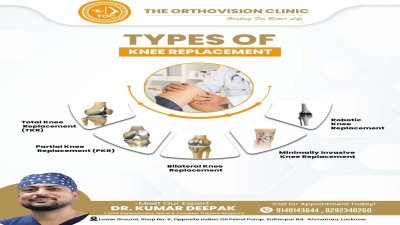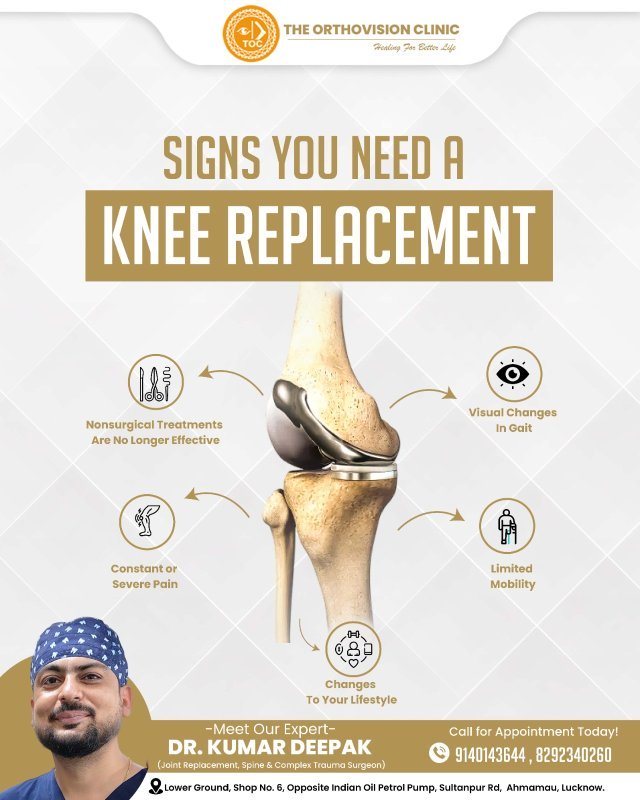


Long-term knee pain can gradually influence a person’s daily movement, activity levels, and overall comfort.
Simple routines such as walking, climbing stairs, or standing for extended periods may start to feel more effortful over time. Many people naturally adjust their lifestyle to manage discomfort, often without recognising how much the joint is being affected.
Deciding on knee replacement surgery is not based on a single factor
Deciding on knee replacement surgery is not based on a single factor. It involves a careful evaluation of symptoms, joint condition, and how much the knee problem is affecting everyday life. Doctors look at the overall picture rather than focusing only on pain or scan findings.
The recommendation for surgery is made after assessing how the knee functions in real-life situations, including mobility, stability, and response to other treatments. Why Knee Replacement Decisions Are PersonalisedTwo people may have similar X-ray findings but completely different treatment needs.
One person may continue daily activities comfortably, while another may struggle with routine movement. This is why doctors do not make decisions based on imaging alone. Knee replacement is considered after understanding the full impact of the condition on a person’s life.
Common causes and risk factors
The evaluation usually includes:Severity and pattern of painAbility to perform daily activitiesJoint movement and stabilityResponse to non-surgical treatmentOverall physical healthPersonal mobility goalsThe goal is to determine whether surgery is likely to improve long-term comfort and function meaningfully.
Looking Beyond Pain AloneMany people assume that knee replacement becomes necessary only when pain becomes unbearable. In reality, doctors also pay close attention to how the knee functions throughout the day. Sometimes the biggest concern is not the intensity of pain itself but the limitations created by it.
Changes in Daily RoutineDoctors often ask detailed questions about daily activities, including:Difficulty walking moderate distancesTrouble getting up from chairsAvoiding outings due to knee discomfortNeeding frequent rest during simple tasksReduced participation in hobbies or exerciseThese changes help assess how much the knee problem is affecting independence and mobility.
Impact on Sleep and Energy LevelsPersistent knee discomfort can also affect sleep quality
Impact on Sleep and Energy LevelsPersistent knee discomfort can also affect sleep quality. Interrupted sleep may contribute to fatigue, irritability, and reduced physical activity during the day. When poor knee function begins influencing overall well-being consistently, it becomes an important part of the evaluation.
How Physical Examination Helps Assess the KneeA physical examination provides information that scans alone cannot show. During assessment, doctors evaluate:Joint MovementRestricted bending or straightening may indicate advanced stiffness within the joint.
Knee StabilityThe knee is checked for balance, alignment, and control during movement. Instability may affect confidence while walking and increase strain on surrounding muscles. Walking PatternChanges in walking style often reveal how the body has adapted to pain over time.
Treatment and self-care
Limping, uneven weight distribution, or slower movement patterns help doctors understand functional limitations. Muscle Strength Around the KneeWeak muscles surrounding the joint can worsen mobility problems. Assessing strength helps determine both current limitations and recovery potential after treatment.
Why Imaging Tests Are Only One Part of the DecisionX-rays and scans remain important because they help identify:Cartilage lossJoint narrowingBone changesAlignment problemsSeverity of arthritisHowever, imaging findings do not always match symptoms perfectly.
Some patients with significant arthritis visible on scans continue functioning reasonably well. Others with moderate changes may experience major mobility limitations. For this reason, doctors combine imaging results with physical symptoms and lifestyle impact before recommending surgery.
Consult Dr. Kumar Deepak in Lucknow
Persistent joint, bone, or muscle symptoms deserve a structured evaluation rather than repeated self-treatment alone.
Dr. Kumar Deepak — M.S. Ortho (Gold Medalist), F.I.J.R | ASAMI | AO Trauma — consults at The OrthoVision Clinic and Remedy Medicity, Lucknow. Call to book an appointment and discuss a plan suited to your activity level.
Frequently Asked Questions
When should I see an orthopaedic specialist instead of waiting?
Seek review if pain lasts more than a few weeks, disturbs sleep, causes limping, or limits work and daily tasks despite rest and simple measures.
Does this information replace an in-person examination?
No. Online guides help you understand options, but diagnosis depends on clinical examination and investigations tailored to your case.
Where can I get orthopaedic care in Lucknow?
Dr. Kumar Deepak sees patients at The OrthoVision Clinic (Ahmamau, Sultanpur Road) and Remedy Medicity, Lucknow.