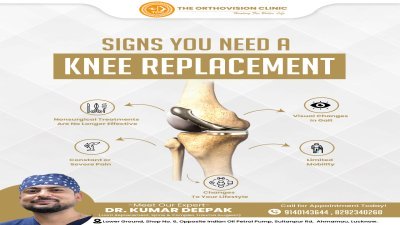
Joint replacement for seniors is growing rapidly because more people want to stay active and independent in their later years.
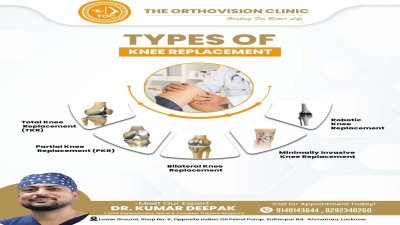
Modern lifestyles and increased life expectancy mean many adults live longer, but with long-standing arthritis or joint damage. As a result, surgeries like knee replacement for older adults and hip replacement for elderly patients have become common.
Key symptoms and patterns
Although the outcomes are excellent today, many families still worry about safety, recovery, and long-term consequences. These worries are natural. Older adults may have additional health issues, which makes families and caregivers cautious.
However, modern joint replacement is significantly safer than it was in the past. Smaller incisions, better implants, improved anaesthesia, advanced monitoring, and faster recovery protocols allow seniors to heal well and walk comfortably after surgery.
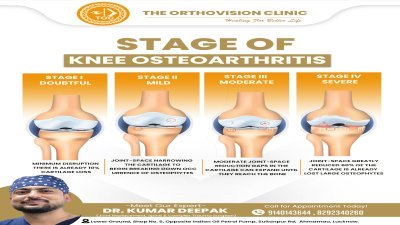
Why Elderly People Consider Joint Replacement Today Severe Arthritis Arthritis is one of the leading causes of disability in seniors. When the cartilage wears out completely, the bones rub against each other, causing sharp pain.
Common causes and risk factors
Elderly people who struggle with advanced arthritis often turn to joint replacement for lasting relief. Mobility Loss Walking becomes difficult when the knee or hip joint is severely damaged. Many older adults start avoiding movement because of pain.
This leads to weaker muscles, poor balance, and less ability to care for themselves. Chronic Joint Pain Persistent pain can significantly impact sleep, appetite, mood, and overall quality of daily life.
Joint replacement in elderly patients can significantly reduce pain, enabling them to rest more comfortably and feel stronger.
Diagnosis and evaluation
Impact on Independence and Daily Quality of Life When seniors rely on others for basic activities like bathing, walking, or climbing stairs, it impacts their confidence and emotional well-being. Joint replacement helps many older adults regain independence and live a more active life.
Is Joint Replacement Safe for Elderly Patients Modern medical care has made joint replacement far safer for seniors than ever before. Safety Improvements in Modern Surgery Hospitals follow strict protocols to check whether an elderly patient is fit for surgery.
Detailed tests, advanced imaging, and close monitoring ensure the procedure is planned carefully. This reduces complications and increases success rates. Risk Assessment and Pre-Surgical Evaluation Before the surgery, doctors conduct a complete evaluation.
Treatment and self-care
This usually includes: Blood tests Heart check-up Lung function review Medication assessment Bone health evaluation A personalised plan is created so that surgery is safe and smooth. Safer Anaesthesia Today’s anaesthesia options are gentle and highly controlled.
Anaesthesia teams monitor oxygen levels, heart rate, breathing, and overall stability throughout the procedure. This makes surgery safe even for adults in their seventies or eighties. Advanced Implants New generation implants are stronger, last longer, and fit better.
This enables older adults to move more easily and reduces the risk of long-term complications. Quicker Recovery Protocols Recovery practices have changed. Seniors are encouraged to walk on the same day or the next day after surgery. Early movement lowers the risk of complications and improves strength.
Consult Dr. Kumar Deepak in Lucknow
Persistent joint, bone, or muscle symptoms deserve a structured evaluation rather than repeated self-treatment alone.
Dr. Kumar Deepak — M.S. Ortho (Gold Medalist), F.I.J.R | ASAMI | AO Trauma — consults at The OrthoVision Clinic and Remedy Medicity, Lucknow. Call to book an appointment and discuss a plan suited to your activity level.
Frequently Asked Questions
When should I see an orthopaedic specialist instead of waiting?
Seek review if pain lasts more than a few weeks, disturbs sleep, causes limping, or limits work and daily tasks despite rest and simple measures.
Does this information replace an in-person examination?
No. Online guides help you understand options, but diagnosis depends on clinical examination and investigations tailored to your case.
Where can I get orthopaedic care in Lucknow?
Dr. Kumar Deepak sees patients at The OrthoVision Clinic (Ahmamau, Sultanpur Road) and Remedy Medicity, Lucknow.