
Seasonal transitions bring a sudden shift in temperature, humidity, and air quality.
These changes affect how your body performs, how your muscles recover, and how your immune system responds to physical stress. While regular exercise is important for health, many people unknowingly push their bodies in unsafe ways during weather changes.
Key symptoms and patterns
These mistakes can slow progress, weaken immunity, trigger injuries, and make gym workouts feel harder than they should. Why Does Weather Change Affect Your Gym Performance The weather has a direct impact on your body’s internal balance.
A sudden drop or rise in temperature affects blood flow, hydration, breathing rate, joint mobility, and energy levels. As your body spends extra energy adapting to environmental changes, it becomes more sensitive to workout errors.
Common reasons your body reacts differently during weather transitions include: A shift in body temperature regulation Slower muscle warm-ups due to colder mornings Dry air that affects breathing and hydration Sudden fatigue because of rising humidity Increased risk of joint stiffness Higher susceptibility to infections affecting stamina Because of these factors, even minor mistakes during workouts can lead to discomfort, reduced progress, and injuries.
Common causes and risk factors
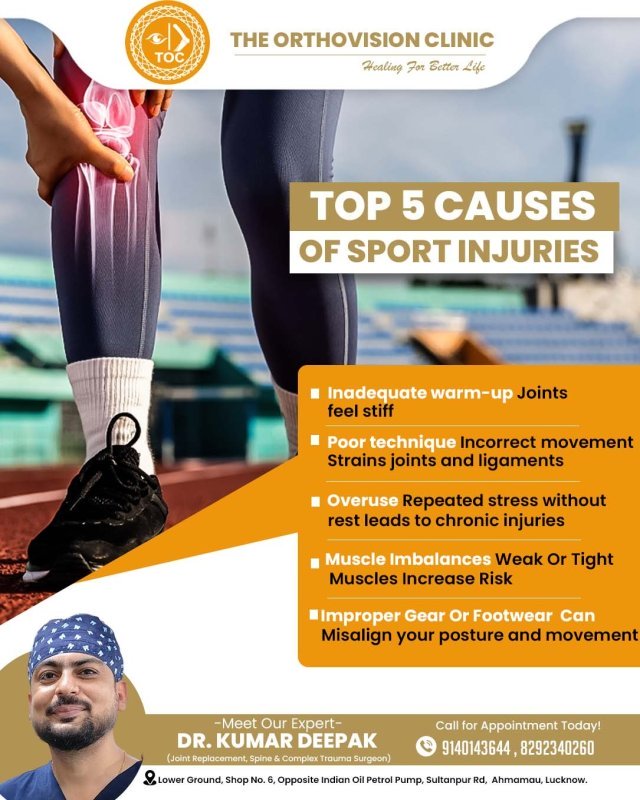
Gym Mistake 1: Skipping Proper Warm-Up During Weather Change Warmups are often ignored, especially when people are in a hurry. During weather change, this becomes a major problem. Colder or fluctuating temperatures make muscles tighten and joints less flexible.
When you start lifting weights or running without preparing your body, the chances of muscle strain and joint pain increase. What to do instead Start with a gradual warm-up that increases heart rate and boosts circulation.
Light jogging, brisk walking, mobility drills, and dynamic stretches help your muscles become more responsive. A proper warmup prepares your body to adapt to the workout and the changing weather. Gym Mistake 2: Overtraining Because You Feel Sluggish Weather change often makes people feel tired or dull.
Many gym goers push themselves harder to compensate for this low energy
Many gym goers push themselves harder to compensate for this low energy. Overtraining during seasonal transition is risky because your body is already adjusting to environmental changes. Excessive exercise forces your muscles and immune system to work harder, which leads to fatigue and slower recovery.
What to do instead Balance intensity with adequate rest. Plan your workouts according to how your body feels. Allow at least one to two rest days every week. Your progress improves when your body gets time to repair muscle tissue.
Gym Mistake 3: Ignoring Hydration When the Weather Is Cool People often drink less water in cooler weather because they do not feel thirsty. However, the body still loses fluids through sweat and breathing. Dry or cool air increases water loss, which leads to dehydration.
When hydration drops, muscle cramps become common, stamina reduces, and recovery slows
When hydration drops, muscle cramps become common, stamina reduces, and recovery slows. What to do instead Drink water before, during, and after your workout. Keep a bottle with you and take small sips regularly. Coconut water or electrolyte-rich drinks may help if you sweat heavily.
Gym Mistake 4: Wearing the Wrong Workout Clothes During weather shifts, people either overdress or underdress for the gym. Heavy clothing traps heat and makes you dehydrated faster. Thin clothing during colder days can cause chills and muscle tightness. What to do instead Choose breathable, flexible gym wear.
Use one light layer that you can remove after warming up. When the weather turns cold, keep your joints covered until your body temperature rises. Gym Mistake 5: Not Adjusting Workout Intensity to Weather Conditions Heat and humidity increase heart rate quickly. Cold temperatures reduce muscle elasticity.
Consult Dr. Kumar Deepak in Lucknow
Persistent joint, bone, or muscle symptoms deserve a structured evaluation rather than repeated self-treatment alone.
Dr. Kumar Deepak — M.S. Ortho (Gold Medalist), F.I.J.R | ASAMI | AO Trauma — consults at The OrthoVision Clinic and Remedy Medicity, Lucknow. Call to book an appointment and discuss a plan suited to your activity level.
Frequently Asked Questions
When should I see an orthopaedic specialist instead of waiting?
Seek review if pain lasts more than a few weeks, disturbs sleep, causes limping, or limits work and daily tasks despite rest and simple measures.
Does this information replace an in-person examination?
No. Online guides help you understand options, but diagnosis depends on clinical examination and investigations tailored to your case.
Where can I get orthopaedic care in Lucknow?
Dr. Kumar Deepak sees patients at The OrthoVision Clinic (Ahmamau, Sultanpur Road) and Remedy Medicity, Lucknow.