K. S. Marya in Orthopaedics & Joint Replacement | 2 min read Your Clap has been added. Share Link has been copied to the clipboard. Here is the link maxhealthcare.
in/blogs/tips-to-manage-arthritis-in-old-age Close Arthritis is characterized by the inflammation of joints, leading to symptoms like pain, swelling, stiffness, and decreased mobility.
Key symptoms and patterns
While arthritis affects people of all ages, its prevalence tends to increase with age, making it a significant concern among older adults. There are various types of arthritis, but the two most prevalent forms are Osteoarthritis and Rheumatoid arthritis.
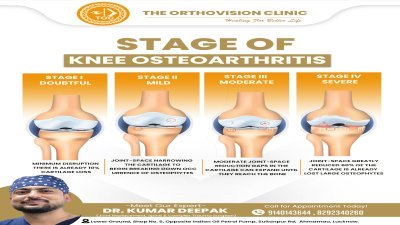
Osteoarthritis is the most common form of arthritis among the elderly and can occur when the cartilage at the ends of bones wears down with time. As a result, the bones begin to rub against each other, causing pain and stiffness.
Ageing, joint overuse or trauma, genetic factors, and obesity are common risk factors for osteoarthritis. Rheumatoid arthritis, an autoimmune condition, causes the immune system to accidentally attack the joints and leads to inflammation, pain, and joint damage.
Common causes and risk factors
While rheumatoid arthritis may affect people of any age, its onset often occurs in middle age or later. Genetic factors, environmental triggers, and hormonal changes may contribute to its development. Impact on the Elderly Arthritis significantly impacts the overall health and well-being of elderly individuals.
Some key aspects include: Reduced mobility: Stiffness and joint pain can limit the range of motion, making daily activities more challenging for seniors. Chronic pain: Arthritis often leads to persistent pain, affecting the quality of life and contributing to other health issues.
Risk of falls: Impaired balance and weakened joints increase the chances of falling and fractures among older adults with arthritis. Comorbidities: Arthritis in older adults has been linked to a higher risk of developing other conditions like cardiovascular diseases and mental health disorders.
Diagnosis and evaluation
Functional limitations: Arthritis can impact the ability to perform basic tasks such as dressing, cooking, and bathing, leading to a decline in functional independence.
Read more - Myths & Facts about Arthritis 10 Tips for Seniors to Manage Arthritis Regular exercise: Consider low-impact exercises like swimming and walking to maintain joint flexibility and strengthen muscles. Maintaining a healthy weight: Excess weight strains joints, exacerbating arthritis symptoms.
Adopting a balanced diet helps manage weight and reduce inflammation. Medication adherence: Taking medications as directed by doctors to control pain and inflammation effectively can be beneficial. Joint protection: Use assistive devices, such as canes or braces, to reduce stress on joints and improve stability.
Treatment and self-care
Adequate rest: Ensure proper rest and sleep to allow your body time to heal and rejuvenate. Heat and cold therapy: Apply heat packs to soothe stiff joints and cold packs to reduce inflammation. Consult with a doctor for guidance on the appropriate use of these therapies.
Stay hydrated: Proper hydration is necessary for joint health. Water helps lubricate joints and supports overall well-being. Joint-friendly diet: Include foods rich in antioxidants, omega-3 fatty acids, and anti-inflammatory properties, such as fish, fruits, vegetables, and nuts.
Manage stress: Practice stress-reducing activities like meditation or deep breathing to alleviate tension, which can exacerbate arthritis symptoms. Regular check-ups: Schedule regular appointments with healthcare professionals to monitor arthritis progression and adjust treatment plans accordingly.
Consult Dr. Kumar Deepak in Lucknow
Persistent joint, bone, or muscle symptoms deserve a structured evaluation rather than repeated self-treatment alone.
Dr. Kumar Deepak — M.S. Ortho (Gold Medalist), F.I.J.R | ASAMI | AO Trauma — consults at The OrthoVision Clinic and Remedy Medicity, Lucknow. Call to book an appointment and discuss a plan suited to your activity level.
Frequently Asked Questions
When should I see an orthopaedic specialist instead of waiting?
Seek review if pain lasts more than a few weeks, disturbs sleep, causes limping, or limits work and daily tasks despite rest and simple measures.
Does this information replace an in-person examination?
No. Online guides help you understand options, but diagnosis depends on clinical examination and investigations tailored to your case.
Where can I get orthopaedic care in Lucknow?
Dr. Kumar Deepak sees patients at The OrthoVision Clinic (Ahmamau, Sultanpur Road) and Remedy Medicity, Lucknow.