Knee pain is an issue that affects millions of individuals worldwide.
For many, it can significantly hinder daily activities and reduce overall quality of life. While various treatments exist for joint infection symptoms, some individuals may eventually find knee replacement surgery is the best option for relief and improved function.
Key symptoms and patterns
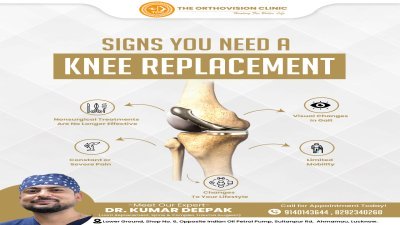
Explore five typical symptoms that may suggest you need the best knee replacement surgery and what you can do about them by reading this blog. 1) Persistent Pain Chronic knee pain is often the first sign or an early indicator of a more serious underlying issue.
If you experience ongoing pain that doesn’t respond well to rest, physical therapy, or over-the-counter medications, it may be time to consider more invasive options. This pain can be sharp, aching, or throbbing and might worsen with activities such as walking, climbing stairs, or standing for long periods.
When to Seek Help: It's critical to see a healthcare provider if your joint discomfort lasts for several weeks or gets in the way of your everyday activities. Whether the source of your suffering is cartilage damage, ligament injury, or arthritis, a comprehensive examination will assist in identifying it.
Common causes and risk factors
2) Reduced Mobility A reduction in mobility is another sign that you could require knee replacement surgery. This may show up as stiffness, difficulties bending or straightening your knee, or the inability to walk long distances.
Activities that once seemed routine—walking your dog, climbing stairs, or standing up from a seated position—may become increasingly challenging. When to Seek Help: If you find yourself avoiding physical activities due to knee pain or reduced mobility, discussing your symptoms with a medical professional is essential.
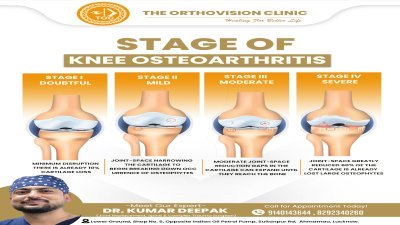
They may recommend imaging tests, such as X-rays or MRIs, to assess the condition of your knee joint and determine if surgery is warranted. 3) Swelling and Inflammation Swelling and inflammation in the knee joint can indicate various conditions, including arthritis or injury.
Diagnosis and evaluation
If you notice that your knee swells frequently, especially after activity, this can be a sign that the joint is deteriorating. Persistent swelling may also be accompanied by warmth around the knee, which can indicate inflammation.
When to Seek Help: Regular swelling, especially when combined with pain, is a symptom that should not be ignored. If self-care measures—such as ice, elevation, and rest—fail to reduce the swelling, it's time to consult a doctor.
They can check the severity of your condition and discuss whether knee replacement surgery may be necessary. 4) Instability and Weakness Knee instability can feel like your knee cannot support your weight, making walking, running, or participating in sports difficult.
A sense of weakness in the knee joint often accompanies this symptom
A sense of weakness in the knee joint often accompanies this symptom. You might feel you can’t fully trust your knee, leading to movement hesitation. When to Seek Help: If you frequently experience instability or weakness, seek medical advice.
The underlying problems must be addressed because these symptoms can raise the risk of falls and injury. To assess your knee's strength and suggest suitable measures, such as knee replacement surgery, an orthopaedician can perform tests.
5) Failure of Conservative Treatments Many patients begin with conservative treatments for knee pain, such as physical therapy, medication, corticosteroid injections, or lifestyle modifications.
Consult Dr. Kumar Deepak in Lucknow
Persistent joint, bone, or muscle symptoms deserve a structured evaluation rather than repeated self-treatment alone.
Dr. Kumar Deepak — M.S. Ortho (Gold Medalist), F.I.J.R | ASAMI | AO Trauma — consults at The OrthoVision Clinic and Remedy Medicity, Lucknow. Call to book an appointment and discuss a plan suited to your activity level.
Frequently Asked Questions
When should I see an orthopaedic specialist instead of waiting?
Seek review if pain lasts more than a few weeks, disturbs sleep, causes limping, or limits work and daily tasks despite rest and simple measures.
Does this information replace an in-person examination?
No. Online guides help you understand options, but diagnosis depends on clinical examination and investigations tailored to your case.
Where can I get orthopaedic care in Lucknow?
Dr. Kumar Deepak sees patients at The OrthoVision Clinic (Ahmamau, Sultanpur Road) and Remedy Medicity, Lucknow.